Blog
What is the best container for candles?

Introduction
Choosing the right container for your candles is a decision impacting safety, burn quality, and visual appeal. Many options exist. Each material offers distinct characteristics. You need to understand these differences to select the best container for your specific candle needs. This article explores common candle container types. It provides information to help you make an informed choice.
Understanding Container Materials
Different materials react differently to heat. They also affect scent throw and burn time. Your selection directly impacts the candle’s performance and safety.
Glass Containers
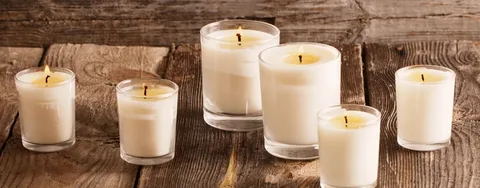
Glass remains a popular choice for candle vessels. Its transparency allows the flame to shine through, creating a warm glow. Glass containers suit various candle styles.
Pros:
Aesthetics: Clear glass shows the wax color and texture.
Safety: High-quality glass resists heat. It contains the wax safely.
Versatility: Glass comes in many shapes, sizes, and colors.
Recyclability: Consumers often recycle glass containers.
Cons:
Fragility: Glass breaks if dropped.
Weight: Heavier than some other materials. This increases shipping costs.
Thermal Shock: Poor quality glass cracks from sudden temperature changes.
When choosing glass, ensure it is tempered or heat-resistant glass specifically for candles. Look for containers with thick walls. These prevent heat stress.
Ceramic Containers
Ceramic offers a handmade, artisanal feel. These containers often feature unique glazes and textures. They add a touch of elegance to any space.
Pros:
Heat Retention: Ceramic holds heat well. This supports a good melt pool.
Durability: More resistant to breakage than glass.
Aesthetics: Diverse designs, colors, and finishes.
Reuse Potential: Many customers repurpose ceramic vessels after burning the candle.
Cons:
Porousness: Some unglazed ceramics absorb wax. This presents a fire risk.
Weight: Similar to glass, ceramics add weight.
Cost: Often more expensive to produce.
Always select glazed ceramic containers. Ensure they are designed for candle use. The glaze prevents wax absorption.
Metal Containers
Metal containers, often tins, offer a sleek, modern look. They are lightweight and durable. These containers are a common choice for travel candles.
Pros:
Durability: Resists breakage.
Lightweight: Reduces shipping expenses.
Portability: Ideal for travel or outdoor use.
Safety: Metal does not break from drops or minor impacts.
Cons:
Heat Conduction: Metal heats up quickly. Exterior surfaces get hot during burn.
Rust Potential: Some metals rust if exposed to moisture.
Limited Transparency: You cannot see the wax or flame directly.
Use tins with a protective coating to prevent rust. Advise users about the container’s hot surface during use. Consider a double-walled design for better insulation.
Wooden Containers
Wooden containers offer a rustic or natural appeal. They introduce an organic element to your candle boxes design. Their warmth complements specific aesthetics.
Pros:
Unique Aesthetics: Adds a natural, earthy feel.
Insulation: Wood insulates heat well. This keeps the exterior cooler.
Biodegradability: A natural, sustainable option.
Cons:
Fire Risk: Wood is combustible. Requires careful treatment and lining.
Wax Seepage: Untreated wood absorbs wax.
Cost: Often more costly to source.
Wood containers demand fire-retardant treatments. They require an inner, non-combustible lining. This lining prevents wax seepage and fire hazards. This option needs specialized production.
Concrete Containers
Concrete vessels provide a minimalist, industrial look. Their raw texture and neutral tones appeal to modern design tastes. They offer substantial weight and stability.
Pros:
Modern Aesthetics: Offers a contemporary, raw appeal.
Durability: Highly resistant to damage.
Heat Resistance: Concrete handles high temperatures well.
Stability: Heavy design prevents tipping.
Cons:
Porousness: Untreated concrete absorbs wax.
Weight: Significantly heavy, increasing shipping costs.
Cost: Production can be complex and costly.
Treat concrete containers with a sealer. This prevents wax absorption and maintains integrity.
Essential Considerations for Container Selection
Choosing a container involves more than just looks. Several factors impact the candle’s performance and safety.
Safety: The paramount factor. The container must withstand the heat generated by the flame. It must not crack, melt, or ignite. Always test new container types thoroughly.
Heat Resistance: Ensure the container material handles sustained high temperatures. Uneven heating or thermal shock causes cracks.
Wick Selection: The container’s diameter dictates wick size. A proper wick creates a full melt pool without excessive heat.
Scent Throw: Some materials, like ceramic, retain heat better. This improves fragrance dispersion.
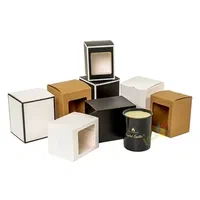
Aesthetics and Brand: The container style reflects your brand image. The premiere Custom Boxes offers various options for custom candle boxes in USA. These boxes protect your containers and enhance presentation. Your container and its packaging work together. They create a cohesive brand experience.
Cost: Factor in material cost, shipping weight, and any necessary treatments.
Sustainability: Consider recyclable or reusable options. Consumers appreciate eco-friendly choices.