Blog
What is the 84 rule for candles?


Introduction
Understanding Candle Performance: Dispelling Myths and Embracing Best Practices
Many candle enthusiasts and makers seek definitive rules. They hope clear guidelines ensure perfect candles every time. The idea of an “84 rule” for candles surfaces occasionally. This raises questions about its meaning and relevance. This article explores common candle making principles. It also addresses the concept of an “84 rule” directly. We will provide essential knowledge for crafting and enjoying high-quality candles.
THE QUEST FOR CANDLE PERFECTION: WHY GUIDELINES MATTER
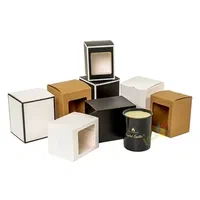
Candles offer ambiance, fragrance, and light. Their creation involves chemistry and artistry. Specific guidelines are crucial for quality and safety. A poorly made candle can burn unevenly. It might tunnel, or present a fire hazard. Good manufacturing practices prevent these issues. They ensure a consistent product. This is important for both small batches and larger productions. Reputable companies, like the premier Custom Boxes, understand the need for quality from start to finish. They provide excellent candle boxes in USA to protect products.
DECODING THE “84 RULE”: FACT OR FICTION?
You may have heard whispers of an “84 rule” in candlemaking. We looked for a standard, widely accepted rule bearing this name. Our research shows no universally recognized “84 rule” exists within the candlemaking industry. Professional candle organizations and common guides do not reference it. This specific number does not appear in standard safety or performance metrics.
The desire for such a rule is understandable. People look for simple answers to complex processes. Candle making involves many variables. These include wax type, wick size, fragrance load, and container dimensions. Each element impacts the final burn. Attributing performance to one single number like “84” simplifies a dynamic process. It does not reflect reality. Instead of a single “rule,” candlemakers rely on a combination of testing and established guidelines.
ESSENTIAL NUMERICAL GUIDELINES FOR CANDLEMAKERS
While no “84 rule” applies, many numerical guidelines shape candle quality. These metrics help ensure safety and optimal performance.
WICK SELECTION: Candlemakers choose wicks based on container diameter and wax type.
Wicks too small cause tunneling.
Wicks too large create excessive flame and soot.
Manufacturers provide wick charts. These charts recommend wick series and sizes for specific diameters. Measuring your container is critical.
FRAGRANCE LOAD: This refers to the percentage of fragrance oil in the wax.
Common loads range from 6% to 12%.
Exceeding recommended loads can cause issues. These issues include poor burning, oil pooling, and weak scent throw. Testing different percentages optimizes scent.
CURE TIME: Candles need time to cure. This allows fragrance oil to bind with the wax.
Soy wax often needs 1-2 weeks.
Paraffin wax can be shorter, often days.
Curing improves scent throw. Rushing this step reduces fragrance performance.
FIRST BURN DURATION: The initial burn sets the candle’s memory.
Let the melt pool reach the container’s edge. This prevents tunneling.
This often takes 2-4 hours. Do not extinguish before the full melt pool forms.
SUBSEQUENT BURN DURATION: Limit each burn session.
Burn candles for 2-4 hours at a time.
Burning longer can overheat the container. It also decreases fragrance life.
WICK TRIMMING: Trim the wick before each burn.
Maintain a 1/4 inch length.
This prevents large flames and mushrooming. It also reduces soot.
These guidelines are not rigid rules like a hypothetical “84 rule.” They are best practices refined through experience and testing.
THE ART OF TESTING: YOUR REAL “RULES” FOR QUALITY CANDLES
The most important “rule” in candlemaking is rigorous testing. Each candle recipe is unique. Variables interact in distinct ways. You must perform burn tests on every new combination.
BURN TESTS: Observe the candle during its full burn cycle.
Monitor flame height and stability.
Measure the melt pool diameter and depth.
Look for soot production.
Note any tunneling or overheating.
SCENT THROW TESTS: Evaluate how well the fragrance disperses.
Test both hot throw (while burning) and cold throw (unlit).
Consider room size and ventilation.
SAFETY CHECKS: Ensure the container does not get too hot.
Check for any cracking or damage to the vessel.
Always place candles on a heat-resistant surface.
Adjust your wick size, wax blend, or fragrance load based on these tests. This iterative process leads to a superior candle.
BEYOND THE NUMBERS: CRAFTING A SUPERIOR CANDLE EXPERIENCE
Numbers provide a framework. A truly superior candle comes from attention to detail.
Quality Ingredients: Use high-grade wax, wicks, and fragrance oils.
Proper Containers: Select heat-safe and durable vessels.
Effective Packaging: Protect your finished product. Companies like the premier Custom Boxes create custom candle boxes in USA. These boxes protect during shipping. They also enhance brand presentation.
Customer Education: Inform users about proper candle care and safety. This builds trust and ensures satisfaction.
Understanding the intricacies of candle making ensures success. While no specific “84 rule” governs the industry, a collection of essential guidelines and dedicated testing does. Focus on these established practices for safe, beautiful, and fragrant candles. Your commitment to quality will result in an excellent product. Share this information with fellow candle lovers. Keep learning and creating.