Blog
What is a customized packaging?

Introduction
Do you consider the full impact of your product’s initial presentation? Many businesses view packaging simply as a necessity. They miss its profound role. Customized packaging goes beyond a mere container. It transforms how customers perceive your brand and product. This article defines custom packaging, explores its key components, and explains its significant value for your business.
Defining Customized Packaging
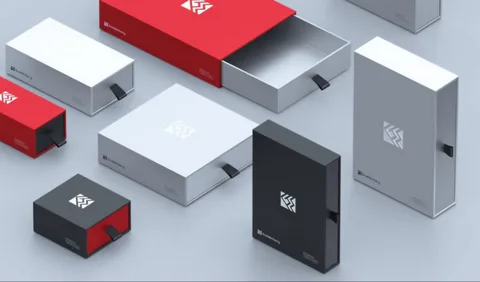
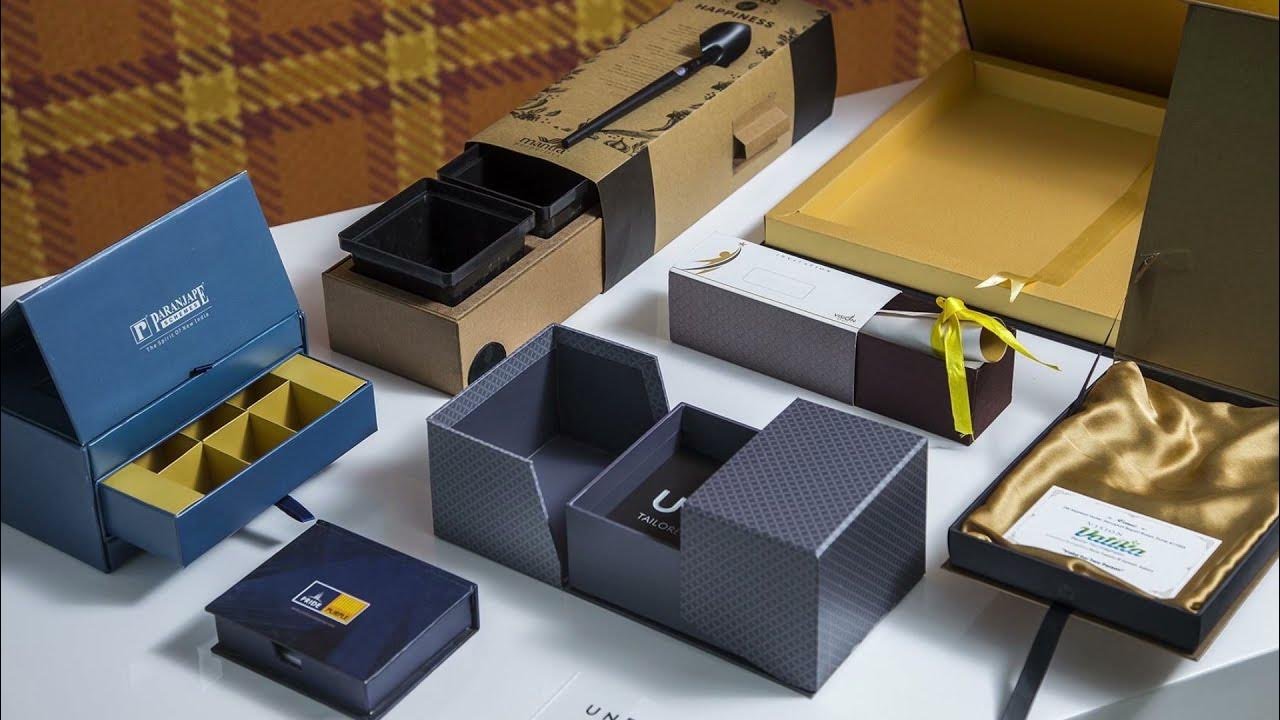
Customized packaging involves creating packaging specifically for your product and brand. It is not a standard, off-the-shelf solution. It means tailoring every aspect: size, shape, material, design, and finish. The packaging reflects your brand’s identity and enhances the customer experience. This approach ensures a perfect fit for your product, offering optimal protection and presentation.
The Core Elements of Custom Packaging
Effective custom packaging combines several critical elements. Each component contributes to the overall success of the final product.
Material Selection
Your choice of material defines the packaging’s strength, appearance, and sustainability.
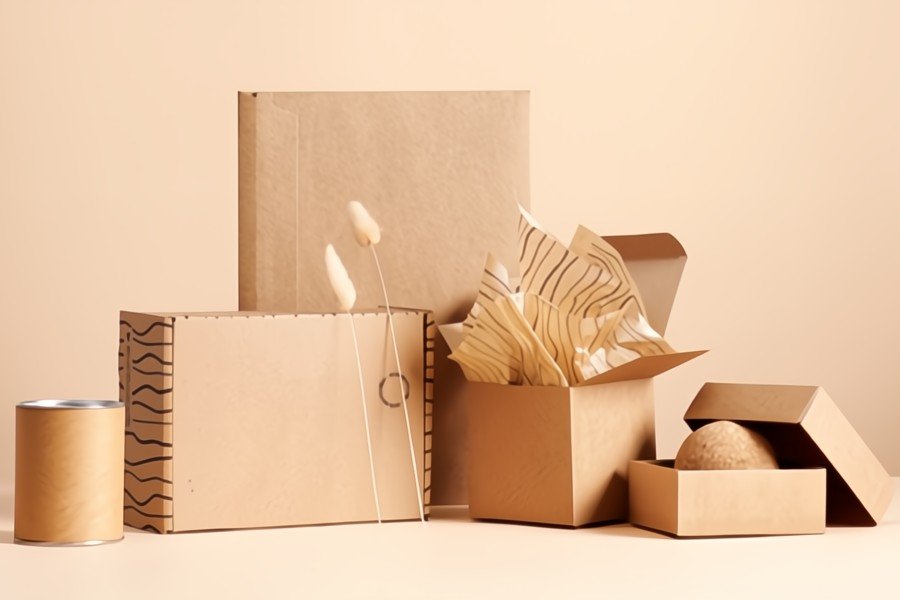
Cardboard: Common for retail products, offering versatility and printability.
Corrugated: Provides superior protection for shipping and heavier items.
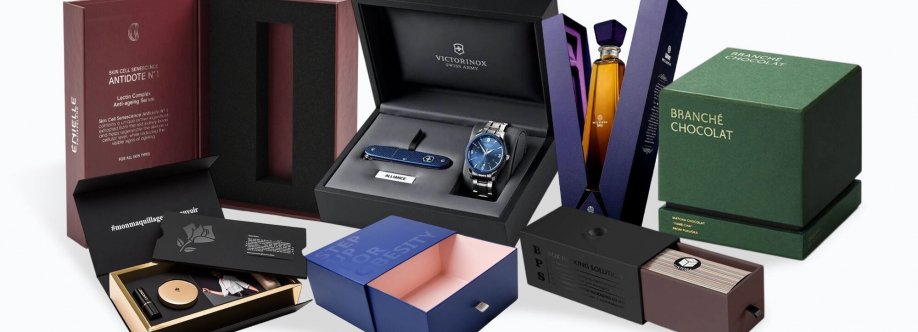
Rigid Boxes: Offer a premium feel for luxury goods.
Eco-friendly options: Recycled paper, biodegradable plastics, and compostable materials support sustainability goals.
Dimensions and Structure
Custom packaging provides an exact fit. This minimizes void space and reduces the need for excessive filler materials.
Exact sizing: Prevents product movement during transit.
Structural design: Includes custom inserts, dividers, or specialized closures. These secure the product and enhance presentation.
Design and Graphics
Visual elements communicate your brand story.
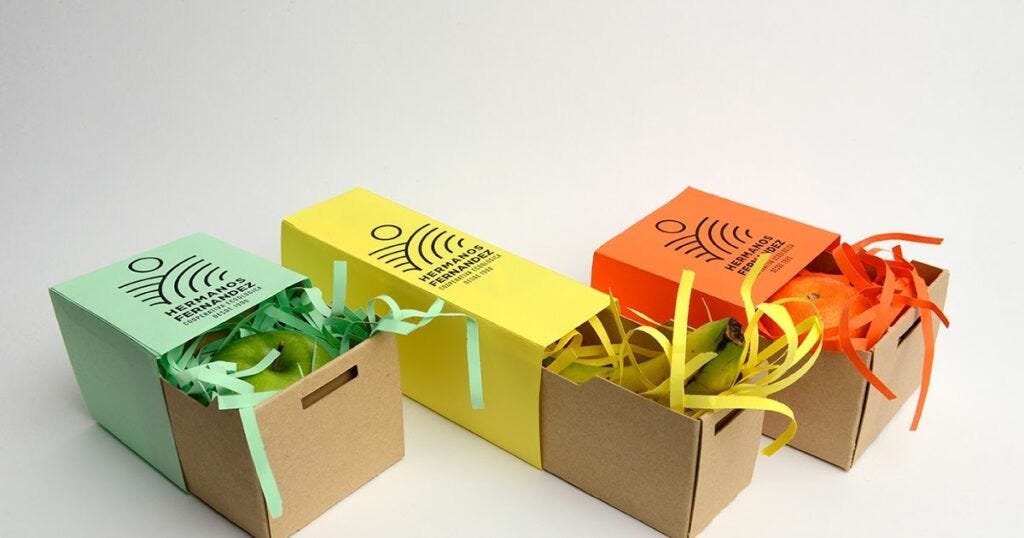
Logos and Branding: Prominently display your brand identity.
Color Palettes: Reflect your brand’s aesthetic and evoke desired emotions.
Graphics and Artwork: Tell a story, provide product information, or create visual appeal.
Typography: Choose fonts that match your brand’s personality.
Finishing Touches
Special finishes elevate the perceived value.
Matte or Gloss Lamination: Changes the tactile and visual texture.
Spot UV: Creates a glossy highlight on specific areas.
Embossing/Debossing: Adds a raised or recessed texture.
Foil Stamping: Applies metallic or colored foil for a luxurious look.
Why Businesses Choose Custom Packaging
Custom packaging offers distinct advantages beyond mere product protection. It serves as a silent salesperson and a brand ambassador.
Brand Identity and Recognition
Custom packaging makes your brand memorable. It creates a unique unboxing experience. Your packaging becomes an extension of your brand story. Companies work with providers such as The Premier Boxes to develop unique visual identities. This ensures immediate brand recognition.
Product Protection
Generic packaging often fails to adequately protect diverse products. Custom designs match your product’s exact specifications. This reduces damage during shipping and handling. A snug fit prevents movement and minimizes breakage.
Enhanced Customer Experience
The unboxing experience starts with the package. A thoughtful, well-designed box excites the customer. It creates a positive first impression. This experience builds customer loyalty and encourages repeat purchases.
Sustainability Goals
Custom packaging allows for precise material selection. You adopt eco-friendly options. This reduces your environmental footprint. It also appeals to environmentally conscious consumers.
Cost Efficiency (Long Term)
An exact fit reduces material waste. It also lowers shipping costs by optimizing package size and weight. Custom packaging prevents product damage. This reduces returns and replacement expenses.
Differentiation in a Crowded Market
Many products compete for consumer attention. Custom packaging helps your product stand out. It communicates quality, uniqueness, and attention to detail. This sets you apart from competitors using generic boxes.
Types of Custom Packaging Solutions
Businesses use various custom packaging types to suit specific needs.
Custom Boxes
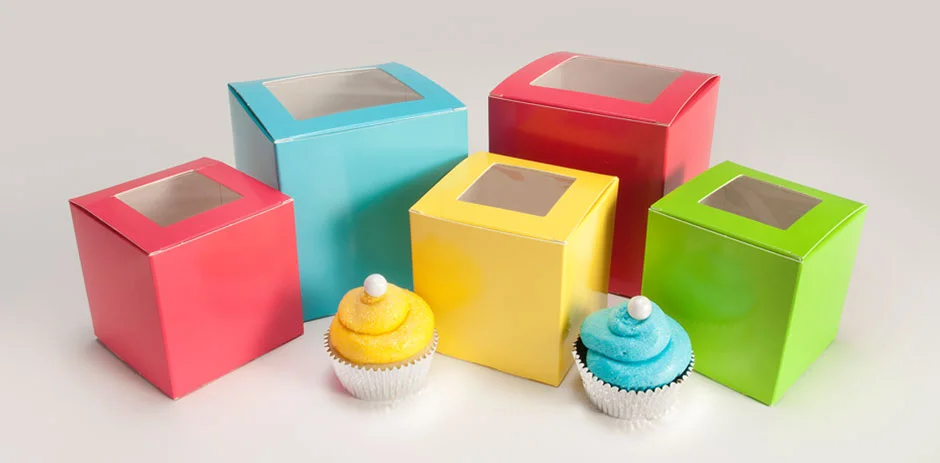
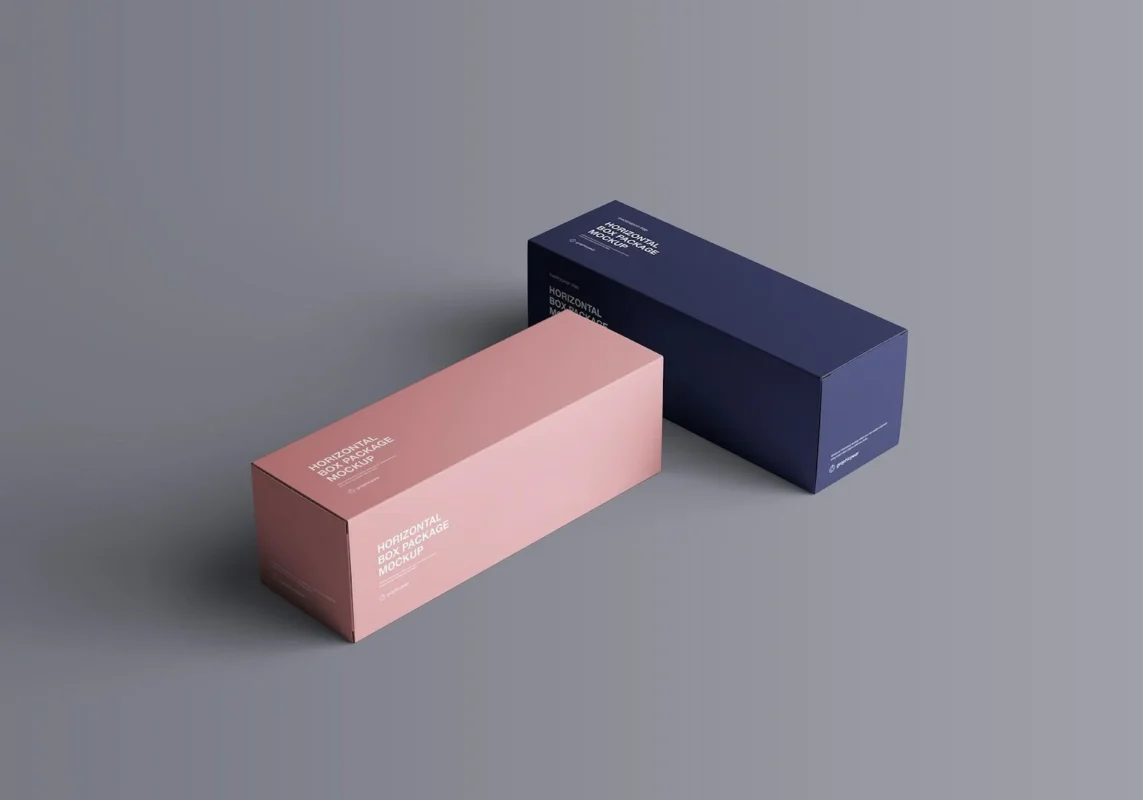
These are the most common form. They range from simple folding cartons to rigid presentation boxes. They house almost any product category.
Custom Bags
Tailored shopping bags, pouches, or mailer bags. These offer branding opportunities for retail and e-commerce.
Custom Packaging Sleeves in USA
Sleeves slide over existing boxes or products. They offer a cost-effective way to add branding or seasonal messaging. They provide an additional layer of protection and visual appeal without a full box redesign. Many businesses choose custom packaging sleeves to enhance product presentation efficiently.
Custom Labels and Stickers
These apply branding and product information to products or generic packaging. They offer flexibility and a lower cost entry point for customization.
Custom Inserts and Dividers
These secure products within the package. They protect fragile items and arrange multiple components neatly. This improves the unboxing experience.
Designing Your Custom Packaging: Key Considerations
Successful custom packaging results from careful planning. Consider these factors before starting your design process.
Understand Your Product: Assess its size, weight, fragility, and specific handling requirements.
Know Your Brand: Define your brand’s personality, target audience, and core message. Your packaging must align with these.
Consider Your Budget: Determine how much you allocate to packaging. This impacts material choices and design complexity.
Think About Sustainability: Explore options for recycled, recyclable, or biodegradable materials. This supports environmental goals.
Functionality: Ensure the packaging is easy to open, close, and use. Consider if it offers post-purchase utility for the customer.
Supplier Selection: Choose a packaging partner with expertise and a commitment to quality. Their capabilities impact your final product.
The Unboxing Experience: A Crucial Element
The unboxing experience is more than opening a package. It is a moment of connection between brand and customer. Thoughtful custom packaging builds anticipation. It delights the receiver. A positive unboxing experience leads to social media sharing. This extends your brand’s reach organically.