Blog
Understanding How Packaging Design Fits into Modern Branding

Introduction
To really understand “What are the 7 basic steps to packaging design?“, you need to know why packaging design is so important for modern branding and product success. Packaging is no longer just for protection; it also connects the brand and the customer on a visual and emotional level. At The Premier Boxes, packaging design is seen as a strategic mix of creativity, usefulness, and marketing psychology that helps brands stand out in crowded markets.
When businesses ask themselves, “What are the 7 basic steps to packaging design?” they often find that good packaging design affects how people see a brand, how loyal they are to it, and whether or not they buy something. The Premier Boxes uses market trends, consumer behavior, and product needs to make every packaging solution. This guarantees that custom packaging design not only looks good, but also conveys professionalism, trust, and value at every step of the customer journey.
Step One: Learning about the product and the people who will buy it
The first step in answering the question “What are the 7 basic steps to packaging design?” is to do a lot of research. The key to good packaging design is knowing what the product is, what it does, and who it is for. Before starting the creative phase, The Premier Boxes does a lot of research to find out what customers want, what the industry standards are, and what their competitors are doing.
The Premier Boxes uses research to make sure that their custom packaging solutions meet customer needs and brand values. Brands can make packaging that appeals to buyers by looking at the size, fragility, use, and shelf environment of the product. When companies know “What are the 7 basic steps to packaging design?” they can see how research turns guesswork into a well-thought-out branding tool.
Step Two: Setting brand identity and packaging goals
Setting clear goals is an important part of “What are the 7 basic steps to packaging design?” because it gives the whole project a direction. Some goals for packaging might be to make it easier to see on store shelves, make it more environmentally friendly, or make the unboxing experience better. The Premier Boxes helps brands turn these goals into real custom packaging designs that show who they are and what they do.
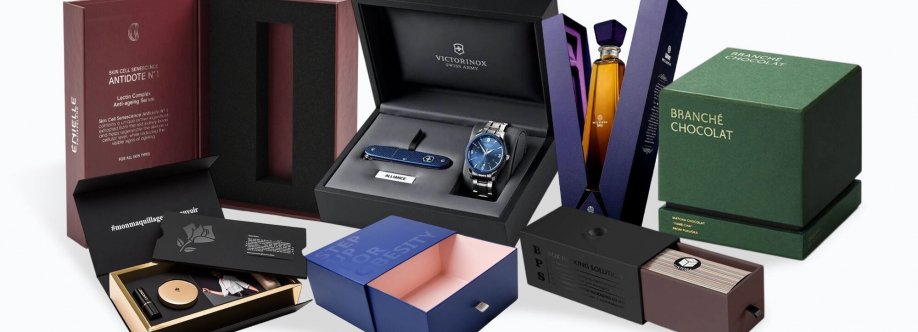
Logos, colors, fonts, and tone are all parts of a brand’s identity that need to be the same on all packaging. The Premier Boxes makes sure that branded packaging design sends a clear message that helps people remember and trust the brand. When brands ask, “What are the 7 basic steps to packaging design?” this stage shows how clear goals and strong branding can help packaging that helps the business grow over time.
Step Three: Picking the Right Materials and Structure for the Packaging
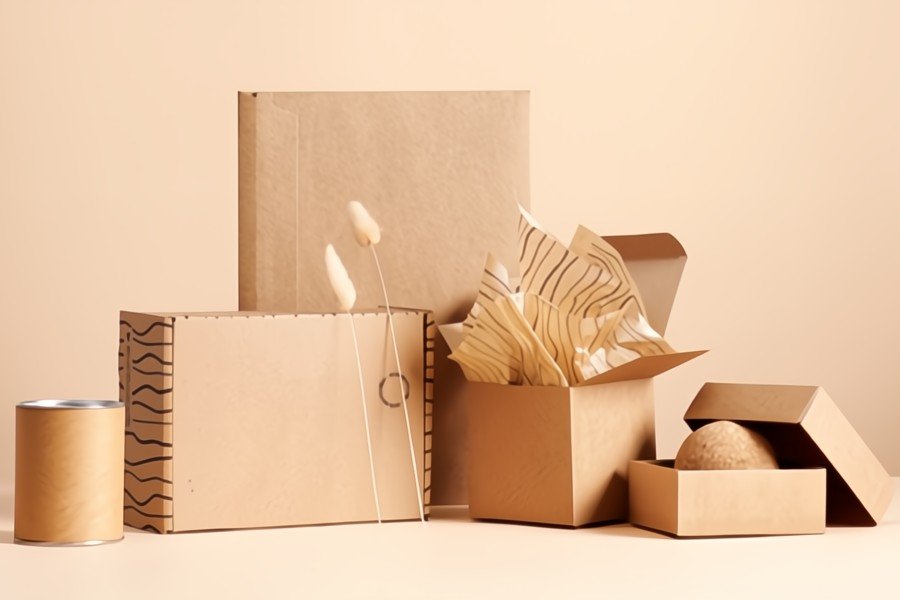
Choosing the right structure and materials is one of the most important parts of packaging design. The shape, weight, and way the product is shipped all affect the packaging structure. The materials used also affect how long the packaging lasts, how eco-friendly it is, and how good it looks. The Premier Boxes takes all of these things into account when making suggestions for solutions like corrugated boxes, folding cartons, or rigid packaging.
Choosing the right materials can also affect how much money you spend and how bad it is for the environment. The Premier Boxes has eco-friendly options that help with sustainable packaging design without lowering quality. When brands know “What are the 7 basic steps to packaging design?” they know that the right structure and materials will protect their products and support their brand values.
Step Four: Making Graphics and Visual Design
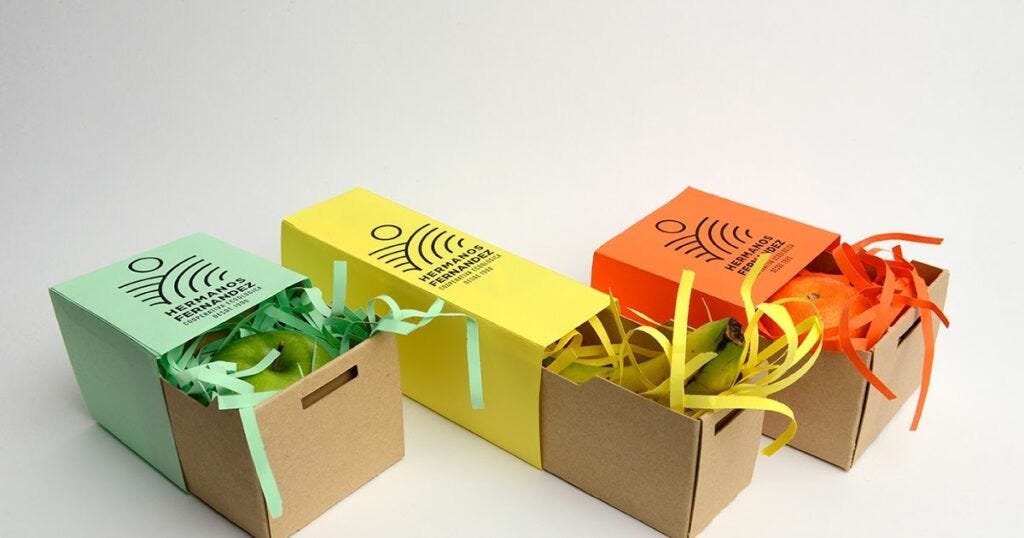
“What are the 7 basic steps to packaging design?” is all about visual creativity, with colors, graphics, and layout bringing the packaging idea to life. The Premier Boxes focuses on making custom packaging graphics that are visually interesting, grab people’s attention, and quickly communicate the benefits of the product. The design elements are carefully placed so that the brand message, aesthetics, and readability are all in balance.
High-quality images make things look better on shelves and online, especially in eCommerce. The Premier Boxes uses cutting-edge design methods to make sure that the artwork on the packaging meets brand standards and what customers expect. This stage shows how visual design can turn packaging into a powerful marketing tool when companies ask, “What are the 7 basic steps to packaging design?”
Step Five: Adding Functionality and Improving the User Experience
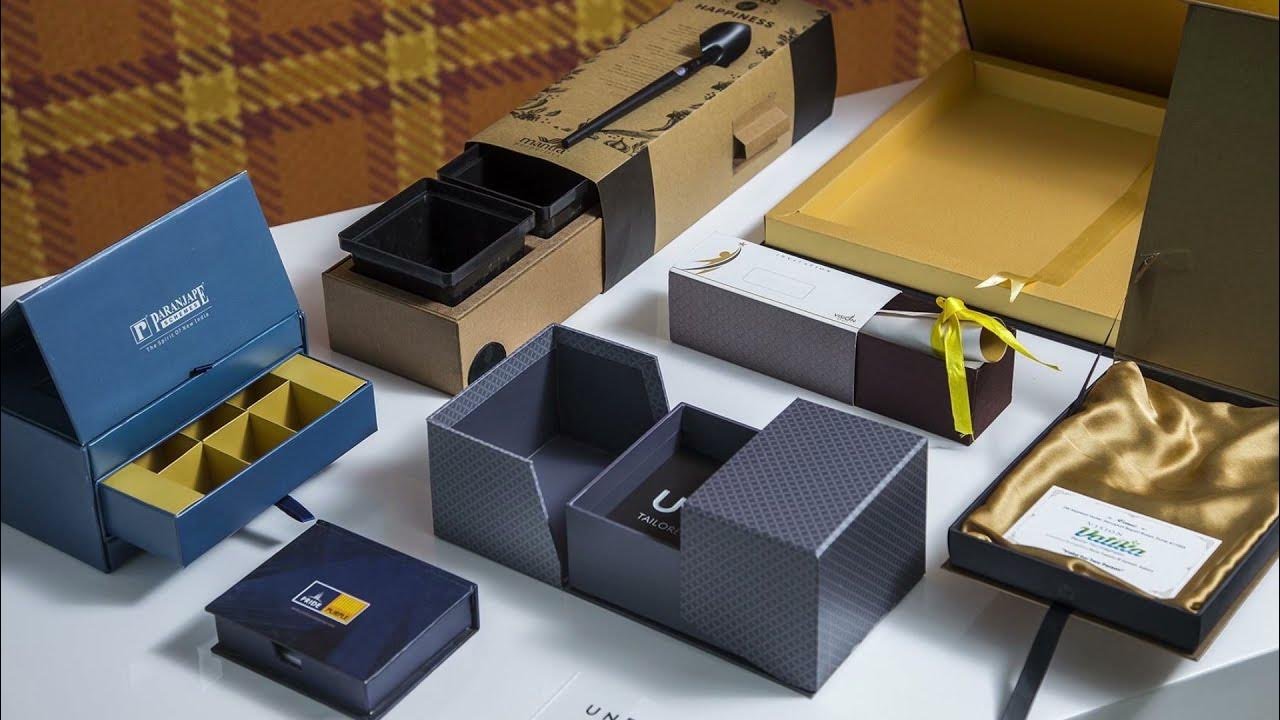
When you ask “What are the 7 basic steps to packaging design?” you need to think about functionality because packaging needs to be easy to use, open, store, and throw away. The Premier Boxes puts user-friendly packaging design first by thinking about how people will use it in the real world, from shipping and handling to unboxing and reusing. Functional features like inserts, closures, and protective parts make products easier to use and safer.
A good experience for users makes them think better of your brand and makes them happier. The Premier Boxes designs custom packaging boxes that are both useful and good-looking. When brands know “What are the 7 basic steps to packaging design?” they can see how careful design can improve the customer experience and make them want to buy again.
Step 6: Make a prototype, test it, and make changes.
Prototyping is an important part of “What are the 7 basic steps to packaging design?” because it lets brands test design ideas before they make a lot of them. The Premier Boxes makes prototypes to test how well the structure, materials, and visuals work in the real world. This step makes sure that the packaging works as it should and looks good at the same time.
Testing can help find problems like things that don’t fit right, materials that aren’t strong enough, or printing that isn’t consistent. The Premier Boxes uses feedback and test results to improve custom packaging designs so they work as well as possible. When businesses learn “What are the 7 basic steps to packaging design?”, they realize that prototyping lowers risk and makes sure the final product is perfect.
Step Seven: Making the final product and putting it on the market
The last step in “What are the 7 basic steps to packaging design?” is making the product and putting it on the market. This step takes design ideas and turns them into real packaging that can be sent out. The Premier Boxes oversees the production process with strict quality control to make sure that everything is done on time, accurately, and consistently.
Packaging is an important way for a brand to connect with customers after it is released. The Premier Boxes makes sure that custom packaging solutions work with marketing campaigns and distribution plans. Knowing “What are the 7 basic steps to packaging design?” helps brands successfully launch packaging that supports product launches, strengthens brand presence, and gets customers involved.