Blog
What are the 4 types of packaging?

Introduction
Have you ever considered how a product reaches your hands safely and intact? Packaging plays a silent, crucial role. It protects items during transit, storage, and display. Packaging ensures product quality and integrity. Understanding the different types helps businesses make informed decisions. This guide breaks down the four main categories of packaging. It explains their distinct functions.
Have you ever considered how a product reaches your hands safely and intact? Packaging plays a silent, crucial role. It protects items during transit, storage, and display. Packaging ensures product quality and integrity. Understanding the different types helps businesses make informed decisions. This guide breaks down the four main categories of packaging. It explains their distinct functions.
Primary Packaging: The First Layer of Defense
Primary packaging directly encases the product. This layer is often what the consumer sees and interacts with first. The main purpose of this packaging is to contain, protect, and preserve the item. This layer prevents contamination and spoilage. It also provides product information. Think of a soda can, a cereal box liner, or a medicine bottle. Primary packaging is essential for product safety and shelf life.
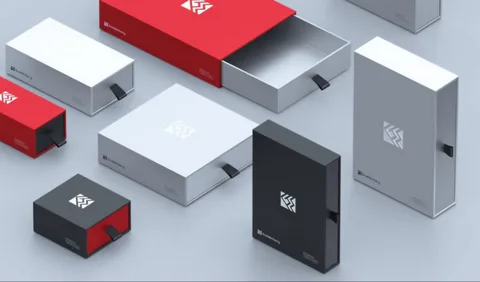
Consider primary packaging for food items. It keeps them fresh and safe to eat. For cosmetics, this layer prevents leakage and maintains product efficacy. Proper primary packaging ensures your product arrives as intended. The premier Custom Boxes specializes in solutions that enhance this direct interaction. This includes options such as Custom Packaging Sleeves in USA. These sleeves provide a clean, secure fit for various products.
Secondary Packaging: Grouping and Branding
Secondary packaging holds multiple primary packages together. It offers additional protection. It also facilitates easier handling and branding. This is the packaging you remove before reaching the individual product. A common example is the cardboard box holding several cans of soda. Another is the retail box for a perfume bottle.
This layer serves several functions. Secondary packaging protects primary packaging from damage. It allows for efficient unit handling during distribution. This layer also provides space for branding, marketing messages, and product information. Retailers rely on secondary packaging for shelf display. It makes products attractive to consumers. Effective secondary packaging also protects against theft and tampering.
Bundles primary packages.
Offers extra physical protection.
Provides branding opportunities.
Simplifies inventory management.
Tertiary Packaging: For Shipping and Logistics
Tertiary packaging focuses on protecting products during bulk transit and storage. The primary goal of this packaging type is to ensure safe, efficient movement through the supply chain. This packaging protects products from damage during shipping. It also optimizes space during warehousing. Examples include corrugated shipping boxes, wooden crates, and stretch-wrapped pallets.
Businesses use tertiary packaging to consolidate larger quantities of products. This minimizes handling costs and risks. Tertiary packaging is crucial for international shipping and long-distance transport. The premier Custom Boxes offers robust solutions for tertiary packaging needs. This ensures your bulk shipments arrive in perfect condition.
Quaternary Packaging: The Unit Load System
Quaternary packaging, often called unit load packaging, refers to the larger systems used to transport multiple tertiary packages. This is not a distinct physical container. It is a system designed for efficient movement of large quantities. Quaternary packaging combines several tertiary packages into a single, cohesive unit. This typically involves pallets, slip sheets, and protective stretch wrap or shrink wrap.
This packaging type streamlines warehouse operations. It speeds up loading and unloading. This system also minimizes product damage during transport. It ensures stability for large shipments. Imagine a forklift moving a pallet stacked with multiple shipping boxes. That entire assembled unit, secured with wrap, represents quaternary packaging. This represents the final layer of protection for bulk logistics.
Optimizing Your Packaging Strategy
Choosing the right packaging types matters for your product’s journey. Each layer adds protection and value. Consider the product’s fragility, shipping distance, and target market.
Assess Product Needs: Understand environmental factors like temperature or humidity.
Consider Customer Experience: The primary and secondary layers influence perception.
Prioritize Sustainability: Choose recyclable or reusable materials.
Optimize for Logistics: Reduce weight and dimensions where possible.
Brand Consistency: Maintain your brand identity across all packaging levels.
Effective packaging protects your investment. It enhances your brand. It delivers a positive customer experience. The premier Custom Boxes helps businesses design and implement packaging solutions. These solutions meet specific requirements.